Our Mission
Although it can be readily purchased in select supermarkets, the vast majority of people worldwide have still never discovered tempeh. At Grace Food Tech, our mission is to design innovative culinary recipes, optimize advanced production line engineering to minimize production overhead, and scale awareness so that more people globally can benefit from this highly sustainable protein solution.
Deep Dive: What is Tempeh?
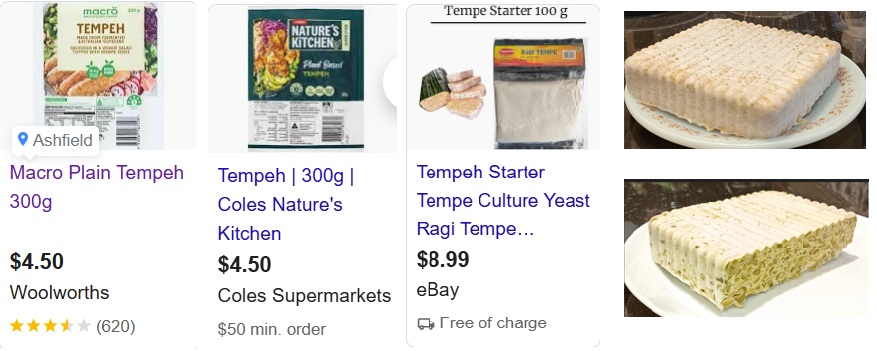
Riding the wave of the global plant-based boom and the demand for clean-label choices, Tempeh exhibits extraordinary vitality across premium health sectors in Europe, the Americas, Australia, and Asia. Crafted from whole legumes like soybeans, black beans, chickpeas, or lentils, the introduction of Rhizopus oligosporus creates a dense, snow-white network of biological mycelium. This natural structure consolidates loose legumes into firm, nutrient-dense culinary blocks without relying on ultra-processed additives.
Comparative Matrix: Understanding the Tempeh Advantage
| Metric (per 100g) | Cooked Soybean | Tofu (Firm) | Soybean Tempeh (Rhizopus Fermented) | Beef (Lean Steak) |
|---|---|---|---|---|
| Protein Density | ~16.6g | ~8g to 10g | ~19g to 22g | ~25g |
| Digestibility Rate | Moderate (Rigid plant cell walls intact) | High (Fiber filtered out) | Exceptional (Pre-digested into peptides via fungal enzymes) | High (Animal protein structure) |
| Bloating Factors | High (Contains oligosaccharides) | Low (Filtered during processing) | Zero (Oligosaccharides fully degraded) | Zero (No carbohydrates) |
| Anti-Nutrients | High phytic acid restricts mineral intake | Moderate phytic acid remaining | Drastically Reduced (Unlocks iron & mineral absorption) | None |
Complete Comprehensive Nutrition Fact Sheet
A deep, data-driven look at raw analytical biochemistry values per 100g serving size across key indicators:
| Nutrient Value (Per 100g) | Cooked Soybean | Tofu (Firm) | Soybean Tempeh | Beef (Lean Steak) |
|---|---|---|---|---|
| Protein | 16.6g | 8.0g | 20.2g | 25.4g |
| Calories | 173 kcal | 144 kcal | 192 kcal | 250 kcal |
| Total Fat | 9.0g | 8.0g | 11.0g | 15.0g |
| Saturated Fat | 1.3g | 1.2g | 1.4g (Zero Cholesterol) | 6.0g (High Cholesterol) |
| Dietary Fiber | 6.0g | 0.3g | 9.0g (Prebiotic Rich) | 0g |
| Iron (Bio-available) | 5.1 mg | 5.4 mg | 2.7 mg (Highly Absorbable) | 2.6 mg |
| Calcium | 102 mg | 683 mg | 111 mg | 12 mg |
| Potassium | 515 mg | 121 mg | 412 mg | 318 mg |
| Magnesium | 65 mg | 58 mg | 81 mg | 22 mg |
Superior Peptide Conversion
Microbial enzymatic activity completely breaks down rigid plant cell walls, pre-digesting complex macronutrient proteins into readily absorbable amino acids and small-molecule peptides.
Anti-Nutritional Degradation
The rigorous fermentation process significantly reduces standard anti-nutrients like phytic acid, effectively unlocking iron and mineral absorption constraints within the body.
Elimination of Bloating
It fundamentally degrades stachyose and raffinose—the exact oligosaccharides responsible for gastrointestinal gas, flatulence, and indigestion commonly associated with unfermented beans.
High Clean Protein
Soy-based variants cleanly deliver between 18g and 22g of pure protein per 100g, positioning it as an uncompromised anchor for the natural plant-meat supply chain.
Culinary Adaptability
Unlike fragile or highly processed plant meats, Tempeh’s firm, unified texture easily withstands aggressive cooking profiles including pan-frying, stir-frying, grilling, stewing, braising, and deep-frying. It represents a perfectly versatile foundation for modern nutritional menus.
Clinical Evidence & Historical Success Stories (Over 800 Studies Published; 30 Listed Below)
Simple Kitchen Recipes: Getting Started with Tempeh
1. Golden Pan-Fried Tempeh Cubes
- Slice tempeh block into 1cm manageable cubes.
- Toss with garlic powder, tamari (gluten-free soy sauce), and olive oil.
- Pan-fry over medium heat for 4-5 minutes until all sides are crispy gold.
- Perfect for clean plant-based salads, grain bowls, or simple snacking.
2. Savory Garlic Tamari Glaze
- Thinly slice tempeh into flat triangular shapes.
- Sear in a hot pan with a splash of toasted sesame oil until gold.
- Pour in a quick mix of tamari soy sauce, minced ginger, and maple syrup.
- Simmer for 2 minutes until the sauce reduces to a thick sticky vegan glaze coating.
3. Crispy Oven-Baked Tempeh Fries
- Cut the tempeh block into long, thin strips resembling classic finger fries.
- Marinate with smoked paprika, sea salt, onion powder, and avocado oil.
- Arrange in a single layer on a baking sheet lined with parchment paper.
- Bake at 200°C for 20 minutes, flipping halfway until deeply crunchy and crisp.
4. Classic Indonesian Tempeh Orek (Vegan Style)
- Crumble or finely dice tempeh and shallow-fry in vegetable oil until crispy; drain well.
- Sauté sliced shallots, garlic, red chilies, and lemongrass until fragrant.
- Add the fried tempeh along with vegan sweet soy sauce (Kecap Manis) and tamarind juice.
- Stir rapidly over low heat until the sweet liquid reduces completely and caramelizes.
5. Wholesome Tempeh & Vegetable Stir-Fry
- Cut tempeh into bite-sized strips; slice broccoli, bell peppers, and carrots.
- Pan-sear the tempeh strips in a wok with peanut oil until lightly browned.
- Throw in the fresh vegetables along with minced garlic and a splash of vegetable stock.
- Drizzle with mushroom-based vegan oyster sauce and stir-fry on high heat for 3 minutes.
6. Rustic Grated Tempeh Bolognese
- Coarsely grate a firm tempeh block using a standard box cheese grater.
- Brown the grated tempeh in an olive-oiled pot with diced onions, carrots, and celery.
- Pour in crushed Italian tomatoes, oregano, minced basil, and a splash of red wine.
- Simmer gently on low heat for 20 minutes to yield a thick, high-protein pasta sauce.
Connect With Us
For inquiries regarding our Intelligent Production Line schemes, recipe partnerships, or food technology consulting, get in touch with our team.
Email: info@graceft.com